


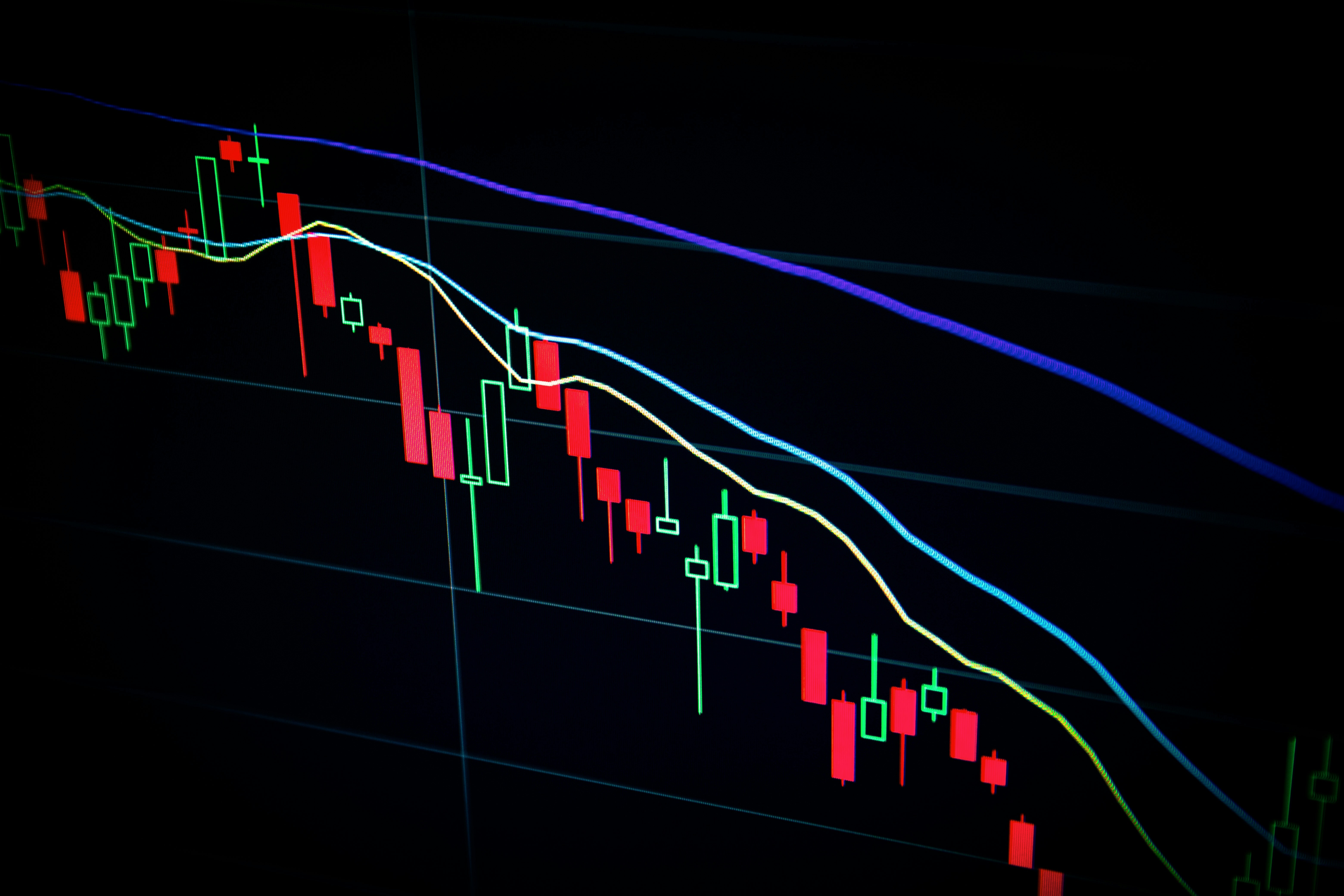
Retail investors and day traders encounter significant pain points from market volatility in the current environment. The 2026 investment outlook points to continued uncertainty in equities and fixed income driven by technological shifts. Portfolio managers seek improved resilience by implementing structured approaches that enhance stability over time.
Many hold the limiting belief that effective risk management strategies require complex institutional resources. In reality, straightforward tactics such as regular rebalancing and options usage prove effective for retail participants. Early performance data from asset classes in 2026 demonstrates the benefits of portfolio diversification across various categories including alternatives.
The 2026 investment outlook from major firms underscores AI investment trends as a dominant force alongside opportunities in gold and private markets. Retail access to these areas is expanding, reducing previous barriers related to education and platform availability. Systematic low-correlation strategies further support mitigation efforts without high dependency on traditional market movements.
Practical steps involve monitoring factor signals like value and momentum for timely adjustments. This leads to concrete outcomes including better protected portfolios and more confident decision making. Evidence from multiple forecasts confirms that diversified allocations contribute to long term success amid volatility.
Syntrinsic forecasts indicate growing retail investor allocations to private markets and alternatives. These allocations support overall stability when combined with public market positions. PeakAM lessons from asset class changes emphasize timely diversification adjustments. Adopting these methods breaks down barriers and delivers measurable improvements in handling market conditions.
Investors who apply these insights from the 2026 investment outlook position themselves for sustained performance despite external pressures. Focus remains firmly on key actionable items that anyone can successfully implement with available information.
Top Asset Classes for 2026: AI, Equities, and Alternatives Breakdown
The 2026 investment outlook highlights several high-potential asset classes for consideration. AI investment trends continue to drive growth in technology equities according to multiple forecasts. Goldman Sachs notes strong potential in public markets supported by these developments. Goldman Sachs 2026 public markets outlook provides detailed views on equities and fixed income.
Equities market outlook remains positive amid innovation, while alternatives investing 2026 offers diversification benefits. iShares emphasizes AI dominance alongside gold as a key holding for portfolio diversification. Retail investors can access these through expanding platforms. BlackRock directions focus on risk positioning that includes alternatives to balance equities exposure.
Asset allocation 2026 strategies recommend mixing public and private markets for better outcomes. Columbia Threadneedle offers capital market assumptions across 22 asset classes to guide decisions. Syntrinsic forecasts show increased retail participation in private markets.
J.P. Morgan factor views suggest monitoring value and momentum within equities for day traders. This approach supports the overall 2026 investment outlook by adding tactical elements. Portfolio diversification through systematic alternatives helps reduce correlation risks as noted in Counterpoint Funds ideas.
Early 2026 data from PeakAM illustrates performance variations across asset classes, reinforcing the need for balanced allocations. Ryan and Wetmore covers digital assets and AI trends relevant for retail education. Adopting these insights leads to more resilient portfolios without requiring advanced expertise. The 2026 investment outlook from iShares and BlackRock reinforces these points by highlighting opportunities in equities and alternatives. Portfolio managers benefit from such data-driven breakdowns when adjusting positions. Day traders can use factor insights to time entries effectively.
Proven Risk Management Strategies to Protect Your Portfolio in 2026
The 2026 investment outlook stresses disciplined risk management strategies for retail investors facing volatility. Begin with quarterly rebalancing to realign asset allocation 2026 targets after market moves. Use options for protection on concentrated equity positions as recommended in practical guides. This maintains balance without excessive trading costs.
Add alternatives investing 2026 through systematic low-correlation vehicles to dampen swings. These strategies complement equities market outlook positions by reducing reliance on single factors like momentum. Portfolio diversification improves when private markets and gold join public holdings per multi-asset forecasts.
Common mistakes include chasing AI investment trends without hedges or skipping rebalancing during rallies. Overlooking education on platform access also limits effective choices. Day traders should track value signals to avoid emotional exits.
What are systematic strategies?
Rules-based methods that automate decisions and limit behavioral errors.
How do risk management strategies apply to retail portfolios?
They combine rebalancing, alternatives, and factor monitoring for steadier results.
Why prioritize alternatives investing 2026?
Low correlation assets protect against equity drawdowns highlighted in early performance data.
The 2026 investment outlook shows these steps deliver measurable resilience across investor types.
Sources
- https://www.ryanandwetmore.com/insights/2026-asset-management-trends-digital-assets-ai
- https://peakam.com/managing-risk-through-change-asset-class-lessons-from-early-2026
- https://am.gs.com/en-us/advisors/insights/article/investment-outlook/public-markets-2026
- https://www.ishares.com/us/insights/inside-the-market/2026-market-outlook-investment-directions
- https://counterpointfunds.com/three-surprising-risk-management-ideas-for-2026
- https://syntrinsic.com/insights/2026-capital-markets-forecast
- https://www.columbiathreadneedle.com/en/insights/investment-outlook-2026-balancing-at-great-heights
- https://www.blackrock.com/us/financial-professionals/insights/inside-the-market/investment-directions
- https://am.jpmorgan.com/us/en/asset-management/institutional/insights/portfolio-insights/asset-class-views/factor
- https://aldeninvestmentgroup.com/blog/investment-risk-management-strategies