


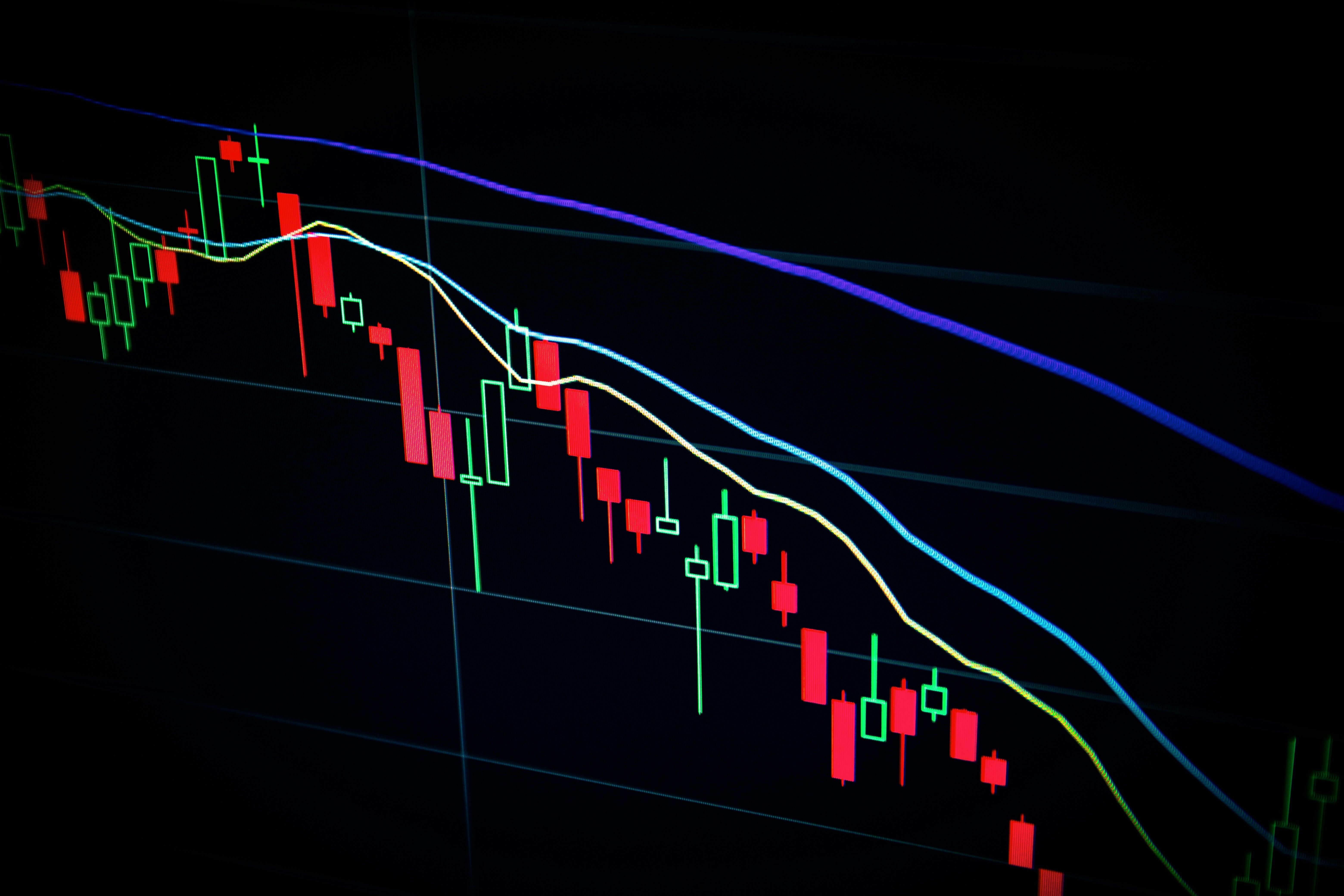
Retail investors, portfolio managers, and day traders encounter significant challenges from ongoing market volatility and geopolitical tensions in 2026. Hopes for reduced hostilities in the Middle East provided temporary relief, yet renewed conflicts pushed bond yields higher and elevated the VIX by 18 percent in early July. Oil supply concerns through key straits contributed to these swings, though prices are expected to normalize over time. The 2026 investment outlook underscores how such events affect asset returns across classes. Inflationary pressures from energy costs have risen sharply, with gasoline prices 50 percent above pre-conflict levels, complicating efforts to ease monetary policy. U.S. economic resilience persists, supported by rebounding labor markets and steady growth forecasts.
For day traders, these conditions demand precise entry and exit rules to avoid amplified losses during spikes. Portfolio managers benefit from monitoring retail trading flows, which now account for 20 to 35 percent of equity volume and can distort signals through momentum chasing. Diversification remains a core defense. Allocations to alternatives and fixed income provide buffers when equity sectors tied to geopolitical hotspots falter.
The 2026 investment outlook points to AI-related earnings as a stabilizing factor amid broader uncertainty. Enterprise adoption continues at early stages, supporting sustained growth in select technology holdings. Risk management tactics include setting clear stop-loss thresholds and periodic rebalancing to maintain target exposures.
AI-Driven Earnings Growth and Asset Class Opportunities
The 2026 investment outlook shows AI-driven earnings growth powering asset class performance. Corporate earnings rose 29 percent year-over-year in the first quarter, led by companies identified through AI-themed ETF holdings. Non-AI constituents lagged significantly, highlighting sector divergence within equities. This earnings strength stems from actual results rather than multiple expansion, supporting durable opportunities in technology suppliers and infrastructure providers.
Enterprise spending on AI tools sits at early levels. Median monthly outlay equals just 11 dollars per employee, well below averages for leading firms. Rising budgets should extend revenue visibility for semiconductor, cloud, and software names.
Multi-Asset Allocation and Risk Management Tactics
The 2026 investment outlook provides clear frameworks for multi-asset allocation that address current inflation and investments dynamics. Investors begin by establishing baseline weights using long-term capital assumptions, assigning roughly 45 percent to global equities with AI investment trends emphasis, 30 percent to bonds, 15 percent to alternatives, and 10 percent to real assets. Tactical asset allocation triggers activate when asset weights deviate by more than 5 percent from targets, prompting rebalancing to restore balance.
Day traders apply scaled risk management tactics by capping individual trade risk at 1 percent of capital and using volatility filters to avoid high VIX periods. Regular stress testing against debt ceiling scenarios and retail flow reversals strengthens resilience.