


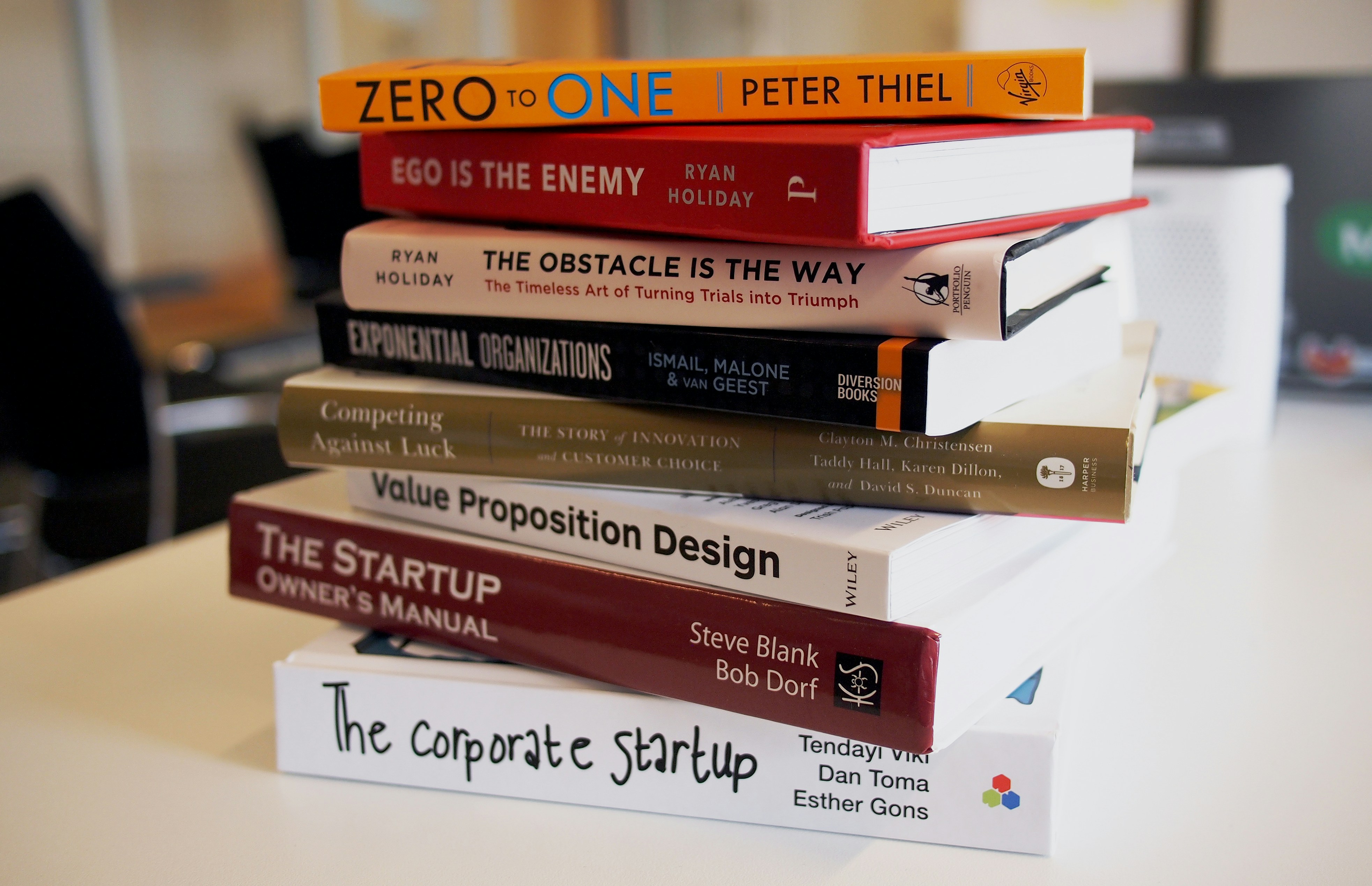
Many startup founders experience stagnant growth after the initial product launch. Revenue plateaus, user acquisition slows, and operational costs rise without proportional returns. This pain point stems from business models that do not align with market demands or scalable operations. Without a disruptive approach, companies struggle to secure funding or expand beyond early adopters.
Selecting and validating the right disruptive business models for startups reverses this outcome. These models emphasize innovation that creates new value networks, often leading to rapid investor interest and capital inflows. Founders who prioritize models like marketplace platforms or AI-driven services see accelerated paths to profitability.
Practical steps include rigorous ideation and validation phases. Data from recent studies indicates that teams with diverse perspectives generate more robust ideas, increasing the likelihood of model success. innovation and startup guide
Incorporating AI-native scaling processes further amplifies results by automating personalization and reducing manual bottlenecks. This leads to efficient global operations and higher customer retention rates. AI empower startups
Case studies from AI pivots, such as those involving Snowflake and Automation Anywhere, illustrate how timely model shifts drive market leadership. Stanford case studies
The concrete outcome is sustained growth, successful funding rounds, and the ability to leverage international talent for expansion, such as through Vietnam-based teams that provide cost-effective scaling. Vietnam talent case Founders who embrace disruptive business models for startups position their ventures for long-term success in competitive landscapes.
Proven Disruptive Business Models and Step-by-Step Scaling Frameworks for 2026
Nine proven startup business models stand out for 2026, ranging from marketplace and platform models to subscription and AI-driven service approaches. These models draw investor attention when they demonstrate clear paths to scalability and profitability. Practical advice on selection emphasizes alignment with target markets and competitive edges. Step one in scaling startup frameworks involves thorough validation through customer discovery and prototype testing. Founders assess unit economics early, aiming for positive contribution margins before seeking expansion capital. This prevents common failures seen in software startups across regions. AI-native scaling processes form the next layer. Startups embed machine learning into core operations for real-time personalization and predictive maintenance. Survey data shows companies adopting responsible AI achieve higher ROI on transformation projects. Global scaling with Vietnam talent offers another lever, with founders reporting 50 percent faster development cycles and significant cost savings. Disruptive business models for startups succeed when combined with these frameworks. Additional steps include monitoring funding patterns from successful cases and iterating based on performance metrics. This approach leads to sustainable growth and positions ventures for 2026 opportunities in AI and regenerative sectors. Founders should also review case studies on AI pivots to identify adaptable patterns. Diversity in teams enhances ideation quality according to McKinsey insights. Integrating these elements creates robust scaling startup frameworks ready for global markets. Disruptive business models for startups require ongoing refinement to maintain competitive advantage. Regular reviews of AI predictions help anticipate shifts in business transformation needs.
Avoiding Fatal Mistakes, Validating Unit Economics, and Next Steps for Startup Success
Common pitfalls derail many ventures pursuing disruptive business models for startups. Poor LTV to CAC ratios rank highest, where acquisition costs exceed lifetime value and drain resources fast. Founders who skip early unit economics checks face repeated funding shortfalls and stalled growth.
Troubleshooting starts with weekly margin reviews. Adjust pricing, retention tactics, or targeting when ratios slip. McKinsey insights show diverse teams identify these gaps during validation and cut failure rates.
Validation questions surface often. How do you confirm model fit before heavy investment? Run controlled pilots and measure repeat usage. Can AI-native scaling processes help? Yes, by automating personalization and lowering operational overhead while preserving margins.
Actionable next steps for startup success strategies 2026 center on proven scaling startup frameworks. Integrate global scaling with Vietnam talent for cost-efficient expansion. Study disruptive innovation examples such as recent AI pivots. Track AI predictions for business transformation to anticipate market shifts. Adopt responsible AI practices to sustain investor confidence.
Mindset shifts toward relentless iteration and data-driven decisions separate winners. Founders who embed these habits turn disruptive business models for startups into scalable, profitable enterprises.
Sources
- https://www.sixpathsconsulting.com/innovation-and-startup
- https://focusedforbusiness.com/disruptive-business-models
- https://www.tommasomariaricci.com/blog/business-model-startups-proven-models
- https://www.entrepreneur.com/leadership/why-vietnam-is-the-hidden-success-factor-for-scaling-global/492473
- https://uk.entrepreneur.com/growth-strategies/scaling-uk-software-startups-globally-with-phill-robinson/483712
- https://uk.entrepreneur.com/starting-a-business/scaling-smart-how-ai-can-empower-uk-startups-to-thrive/481601
- https://www.pwc.com/us/en/tech-effect/ai-analytics/ai-predictions.html
- https://qubit.capital/blog/identify-disruptive-tech-startups
- https://www.gsb.stanford.edu/faculty-research/case-studies
- https://www.uschamber.com/co/start/business-ideas/top-trending-business-ideas