


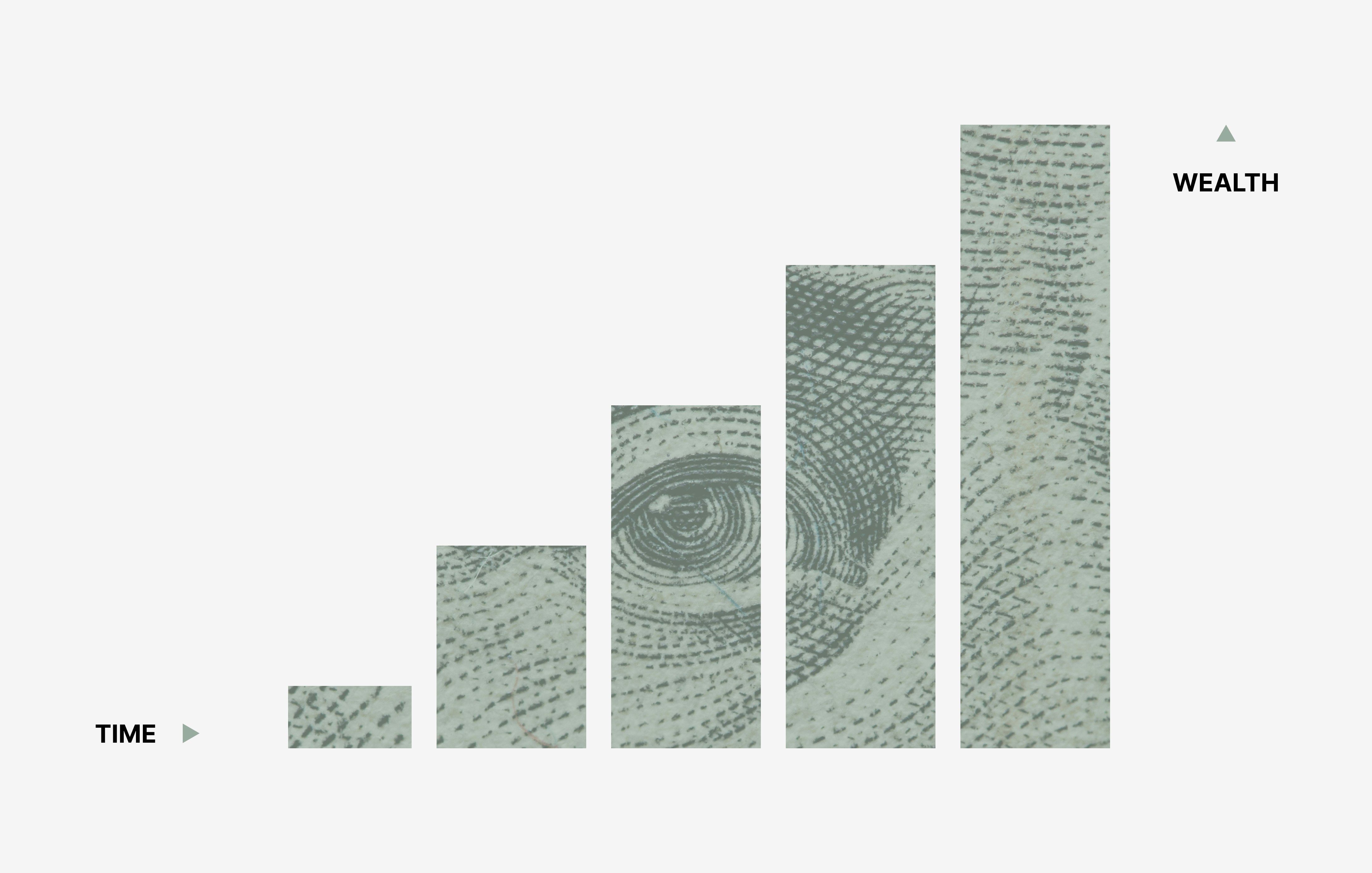
Young professionals often feel stuck in cycles of long work hours that offer little time for personal pursuits or family. The FIRE movement provides an alternative by promoting aggressive saving and the creation of passive income to achieve financial independence much sooner. Rising expenses and healthcare concerns can make traditional retirement seem distant. Recent examinations highlight how withdrawal rates and long retirement periods demand careful strategies to maintain stability Forbes analysis.
Targeting savings rates of 50 percent or higher builds the necessary capital quickly. Funds directed into investments grow through compounding, supporting early retirement goals. Passive income strategies such as dividend stocks, peer-to-peer lending, and rental properties generate ongoing revenue. These streams reduce reliance on employment income Mintos guide.
The 25x rule determines the required savings amount by multiplying annual expenses by 25. The 4% rule then guides annual withdrawals to preserve the principal over decades. Expense tracking and mindful spending help maximize savings potential. Strategic investing in low-cost index funds further enhances outcomes Financial Modeling Prep.
For those starting young, these tactics can shorten careers by 20 years or more. Challenges like market volatility require diversified approaches to mitigate risks. Resources detail variants including Fat FIRE and Coast FIRE to suit different lifestyle preferences. Following proven blueprints leads to greater freedom and control over time Schwab overview.
Updated 2026 analyses confirm these methods remain effective now for young professionals pursuing independence.
Passive Income Strategies and Real-World FIRE Examples
Passive income strategies play a key role in the FIRE movement by creating revenue that does not require active work. Dividend investing in quality stocks delivers regular payouts. P2P lending generates interest through online platforms. Creating digital products such as courses or printables allows sales to continue automatically. Real estate investments via rentals or funds provide additional steady income. These methods help build financial independence faster when combined with aggressive saving.
Real-world examples illustrate success within the FIRE movement. A software engineer reached early retirement at 38 by maintaining a 60 percent savings rate and investing in dividends and index funds. His portfolio now supports living costs using the 4% rule. Another individual built passive streams from affiliate marketing and digital downloads, achieving the 25x rule target by age 35. These stories highlight how diverse passive income strategies reduce time to retire early.
Young professionals can start with small steps like opening brokerage accounts for dividends or listing digital items online. P2P options offer accessible entry points with calculated risks. Combining these with expense tracking maximizes results. Updated resources from 2026 emphasize adapting strategies for current economic conditions while pursuing financial independence.
Success in the FIRE movement often stems from consistent application of these tactics over years. Mindful spending frees up capital for investments that compound. Variants like Coast FIRE allow flexibility in lifestyle choices. Overall, integrating passive income strategies creates robust blueprints for long-term security and freedom from traditional careers. Side hustles that transition into passive sources add extra layers of security for those following an early retirement blueprint. Many participants in the FIRE movement report improved quality of life after implementing these passive income strategies alongside the core principles of aggressive saving and smart allocation. Professionals are encouraged to review multiple sources for tailored advice.
Step-by-Step Blueprint to Early Retirement Using the 25x Rule
Calculate annual living expenses first. Multiply that figure by 25 to determine the savings target via the 25x rule. Track every outflow for 90 days using spreadsheets or apps to identify leaks. Cut nonessentials ruthlessly to hit savings rates of 50 percent or more. Allocate the bulk to broad index funds and dividend payers that fuel passive income strategies over time.
Automate transfers on payday. Reinvest all returns for compounding growth. Monitor portfolio once per quarter and rebalance as needed. When the nest egg hits the target, apply the 4% rule for sustainable withdrawals. Build side streams such as digital products or P2P loans to buffer income.
Common FIRE movement pitfalls include underestimating healthcare and sequence risk. Maintain three years of cash reserves. Diversify across asset classes and review withdrawal rates annually. Adjust spending or delay retirement if markets drop sharply.
Review progress every six months against the early retirement blueprint. Read updated FIRE 2026 guides for market shifts. Stay consistent with aggressive saving and the 25x rule delivers financial independence decades ahead of schedule.
Sources
- https://www.forbes.com/sites/investor-hub/article/fire-movement-2026-is-it-still-possible
- https://www.mintos.com/blog/how-to-achieve-fire
- https://site.financialmodelingprep.com/education/other/how-to-retire-early-with-the-fire-movement
- https://www.schwab.com/learn/story/fire-movement
- https://choosefi.com/review/best-fire-books
- https://www.recharge.com/blog/en-gb/what-is-the-fire-movement-2026-guide-to-retire-early
- https://www.kiplinger.com/investing/what-are-passive-income-strategies-and-how-can-i-use-them
- https://www.easy.tools/blog/passive-income-ideas
- https://www.meriwest.com/our-story/blog/8-side-hustles-build-passive-income-2026
- https://bouchey.com/2024/bouchey-blog/understanding-the-fire-movement-a-path-to-financial-independence-and-early-retirement