

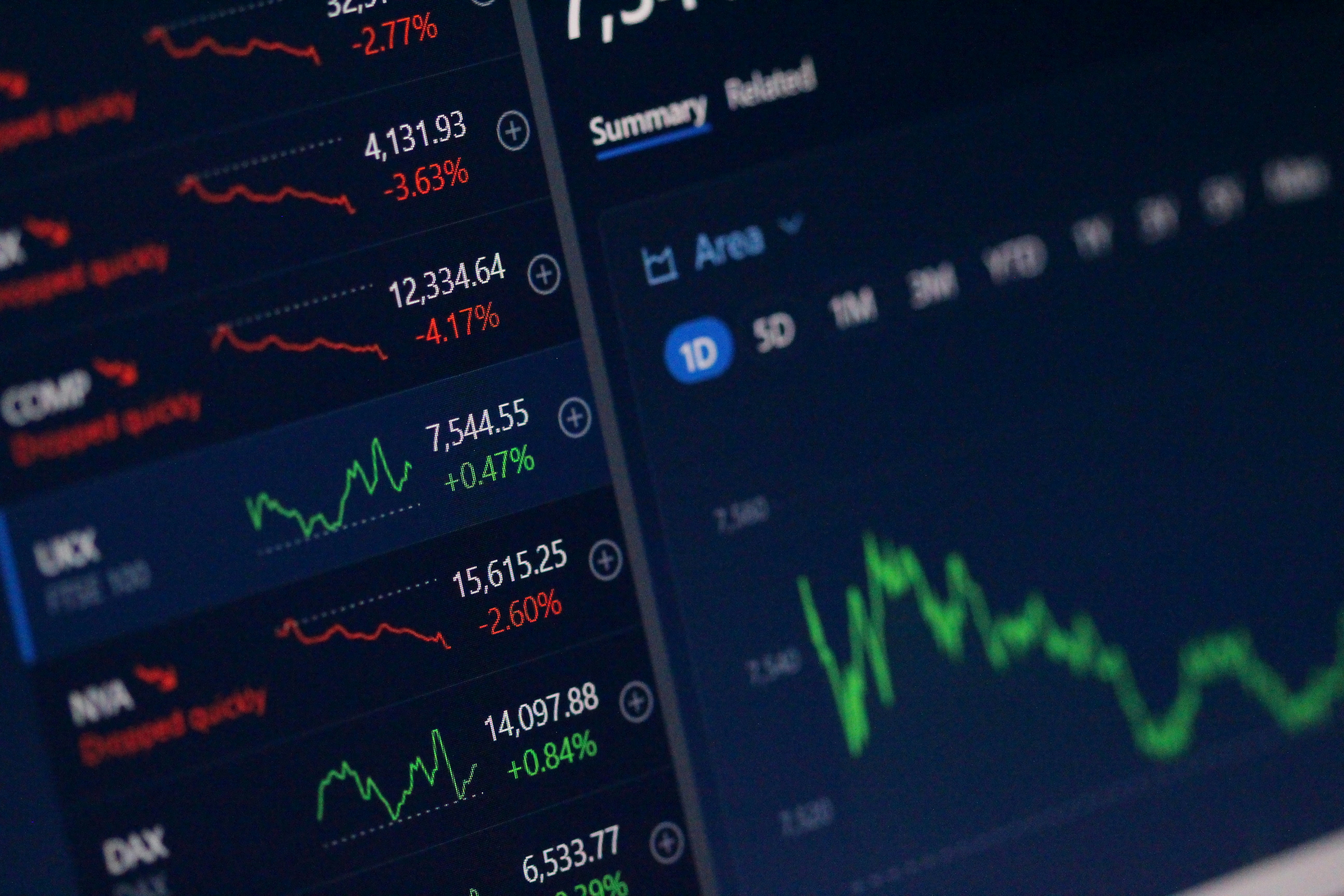
Geopolitical tensions and uneven inflation have created immediate challenges for portfolios in 2026. Oil price spikes from Middle East conflicts pushed the VIX higher while the S&P 500 posted its strongest quarter since 2020. Headline inflation rose with energy costs, yet core measures stayed near 2.6 percent. These conditions leave retail investors exposed to stagflation risks and delayed Fed moves.
2026 investment insights point to a prolonged Fed pause rather than aggressive cuts or hikes. This environment rewards deliberate positioning over reactive trading. Focus first on liquidity and short-duration fixed income to protect against rate volatility. Add inflation-protected securities to offset sticky price pressures.
Next, emphasize U.S. equities where AI-related earnings grew 29 percent year-over-year. Technology and energy sectors lead revisions, offering concrete growth without broad market reliance. Pair these holdings with sector ETFs to express targeted views while managing single-stock risk.
Diversification delivers measurable outcomes. Record $1 trillion in ETF inflows during the first half of 2026 shows investors using flexible vehicles for precision allocation. Including alternatives and private-market exposure reduces correlation to traditional assets during shocks. The result is a portfolio with lower drawdowns and steadier income generation.
Finally, maintain a cash buffer for opportunistic entry points. This combination of defensive fixed income, AI-supported equities, and alternatives produces resilient 2026 investment insights that withstand geopolitical noise while capturing earnings momentum. Retail investors following these steps achieve better risk-adjusted returns and clearer visibility into forward positioning.
AI Momentum and Fed Policy: 2026 Asset Class Trends and Opportunities
AI earnings growth continues to anchor equity performance amid 2026 investment insights. S&P 500 companies tied to artificial intelligence posted 29 percent year-over-year earnings expansion in the first quarter, far outpacing non-AI peers. Enterprise spending on AI tools remains low at a median of eleven dollars per employee monthly, signaling room for sustained adoption across sectors.
Fed policy decisions shape the rest of the opportunity set. Markets have priced in potential rate hikes by year-end, yet a prolonged pause appears more probable following new leadership comments and task force formations on inflation and productivity. This stance keeps short-term yields attractive while supporting income-focused allocations in fixed income ETFs.
Asset class forecasts favor U.S. equities over international peers due to resilient growth and AI leadership. Technology, energy, and infrastructure sectors show the strongest revisions, creating targeted entry points for day traders and portfolio managers. Bond markets reflect sticky core inflation near 2.6 percent, directing attention toward inflation-protected securities and short-duration holdings.
Alternatives gain traction as diversifiers. ETF flows reached one trillion dollars in the first half, with notable interest in systematic strategies that use long-short approaches to reduce correlation to traditional assets. These vehicles help capture AI momentum without full equity exposure.
Overall, 2026 investment insights highlight a market where AI drives returns and Fed caution shapes duration and credit selection. Investors positioning across equities, short bonds, and liquid alternatives can achieve balanced exposure aligned with current earnings trends and policy signals.
Proven Risk Management Tactics for 2026: Diversification and Alternatives Allocation
Stock-bond correlations climbed to 0.72 in early 2026, undermining traditional 60/40 portfolios during geopolitical shocks. 2026 investment insights emphasize liquid alternatives that deliver positive returns with lower volatility than equities. Market-neutral and event-driven strategies posted gains in 60 percent of down months for stocks from 2020 through 2025.
Begin by measuring current exposures. Reduce reliance on long-only equity and core bonds when correlations spike. Allocate 5 to 10 percent to systematic alternatives that employ long-short techniques across equities, fixed income, and commodities.
Next, monitor ETF flows as a sentiment gauge. The one trillion dollars directed into ETFs during the first half of 2026 favored short-duration bonds and sector exposures, signaling demand for precision tools. Use these vehicles to implement hedges without sacrificing liquidity.
Incorporate diversifiers such as gold and inflation-protected securities to offset energy-driven inflation. Pair them with active strategies that target relative value rather than directional bets. Portfolio managers following this sequence achieve lower maximum drawdowns and steadier income while retaining upside from AI-driven earnings growth.
Finally, rebalance quarterly using asset class forecasts that highlight dispersion within private credit and equity sectors. This disciplined approach converts 2026 investment insights into actionable risk management strategies that protect capital amid elevated volatility and policy uncertainty.
Sources
- https://www.ishares.com/us/insights/inside-the-market/market-trends
- https://www.blackrock.com/us/financial-professionals/insights/inside-the-market/investment-directions
- https://www.ssga.com/us/en/institutional/insights/long-term-asset-class-forecasts-q3-2026
- https://www.deloitte.com/us/en/insights/industry/financial-services/financial-services-industry-outlooks/investment-management-industry-outlook.html
- https://www.pimco.com/us/en/insights/charting-the-year-ahead-investment-ideas-for-2026
- https://corporate.vanguard.com/content/corporatesite/us/en/corp/what-we-think/investing-insights/perspectives-and-commentary.html
- https://am.jpmorgan.com/us/en/asset-management/adv/insights/market-insights/guide-to-the-markets
- https://counterpointfunds.com/three-surprising-risk-management-ideas-for-2026
- https://www.morganstanley.com/insights/articles/2026-market-optimism-and-risks
- https://intellectia.ai/blog/stock-market-warning-signs-2026