


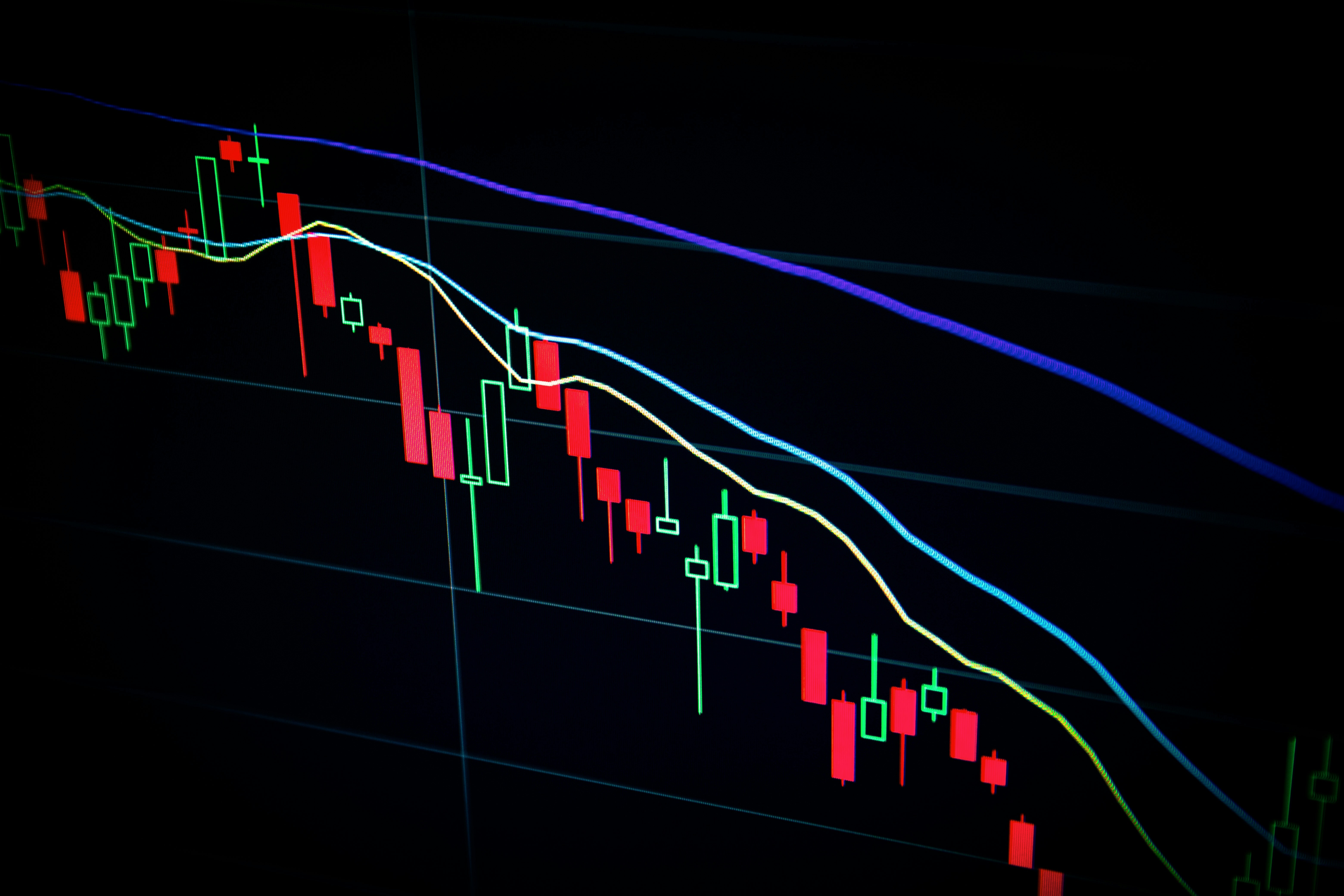
Geopolitical tensions intensified in late February 2026, altering the trajectory of global economic indicators. Armed conflict in the Middle East triggered immediate shocks, with oil prices rising more than 60 percent and gas prices doubling. Shipping disruptions through the Strait of Hormuz elevated freight rates and insurance costs, slowing merchandise trade growth from 4.7 percent in 2025 to a projected range of 1.5 to 2.5 percent. Developing economies reliant on imported fuels faced mounting inflation and external balance pressures, leading to currency weakening against the dollar and a more than 12 percent drop in emerging market equities by late March.
Economic nationalism and EU-China tensions add layers of complexity. Governments are intervening more directly in markets, targeting overcapacity in EVs, wind components, and semiconductors. This fragmentation risks further supply chain shocks and limits the scope for coordinated policy responses. Critical mineral alliances are forming to counter export controls, yet China retains leverage over key inputs.
Despite these headwinds, a weaker dollar has supported asset classes traditionally vulnerable to risk aversion. The 2026 emerging markets outlook benefits from this environment, as improving fundamentals in select economies attract capital. Resource control and trade shifts create selective opportunities for international investors seeking diversification.
Forex trading strategies now emphasize monitoring energy price volatility and sovereign bond yields in frontier markets. Global growth inflation forecasts from major institutions underscore the need for caution, with energy shocks potentially capping expansion at around 2.5 percent. Analysts tracking the 2026 emerging markets outlook should prioritize regions with stable inflation and strong trade resilience to navigate volatility effectively.
Emerging Markets Opportunities Amid Currency and Growth Shifts
The 2026 emerging markets outlook benefits from a weaker dollar and improving fundamentals despite geopolitical risks 2026. Emerging market equities outperformed U.S. equities last year, with the trend expected to persist as capital flows increase. EM equities currencies gain traction in economies with stable inflation and strong trade positions, where central banks manage external pressures effectively. Resource control and trade shifts create openings for commodity producers adapting to new supply chains.
Forex trading strategies should monitor currencies linked to narrowing deficits and credible policy frameworks. Global growth inflation forecasts support EM expansion near 4 percent, contrasting with slower developed market growth. International investment opportunities concentrate in Asia and Latin America, where AI-related exports and renewable investments boost resilience. Allocations favor diversified portfolios that include both equity and bond exposure in markets showing improving credit metrics. Global economic indicators such as bond yields and equity indices provide timely signals for positioning.
The 2026 emerging markets outlook rewards investors who prioritize fundamentals over short-term volatility. Data from major institutions highlight how dollar movements amplify returns in these markets. Careful selection based on growth and inflation stability helps navigate risks while capturing upside potential in the current cycle.
Key Global Economic Indicators and Strategic Next Steps for 2026
Global economic indicators from the IMF and World Bank provide essential benchmarks for 2026. The IMF April 2026 World Economic Outlook highlights moderating growth alongside persistent inflation pressures in emerging economies. World Bank projections indicate global expansion at 2.5 percent, tempered by energy shocks affecting emerging markets. Analysts should track quarterly releases of GDP, inflation, and trade data to adjust models promptly. Additional attention to debt levels and AI-driven trade resilience offers further context for long-term assessments.
Common forecasting mistakes include overreliance on pre-conflict baselines and underestimating currency volatility. Update assumptions regularly with latest geopolitical developments and energy price movements. Cross-reference multiple sources to avoid single-point biases in projections. Incorporate real-time data feeds from central banks to refine accuracy and reduce errors in EM-specific forecasts.
Frequently asked questions clarify key issues. How do geopolitical risks 2026 alter EM equities currencies? They heighten volatility yet create entry points for selective exposure. What forex trading strategies suit current conditions? Focus on pairs tied to narrowing current account gaps. Which international investment opportunities stand out? Prioritize markets with resilient growth near 4 percent and stable inflation. These insights help address immediate concerns for macro analysts.
Next steps involve reallocating portfolios toward diversified EM holdings while maintaining hedges against energy spikes. Monitor the 2026 emerging markets outlook closely for shifts in capital flows. Integrate global growth inflation forecasts into scenario planning. Review allocations quarterly and stress-test positions against further trade disruptions. This approach positions investors to capture upside from the 2026 emerging markets outlook amid evolving conditions. Regular reviews ensure alignment with changing global dynamics. Analysts benefit from combining indicator tracking with scenario analysis to anticipate shifts in EM equities currencies and refine forex trading strategies accordingly. This ensures proactive adjustments in international investment opportunities.
Sources
- https://www.privatebank.bankofamerica.com/articles/emerging-markets-outlook-2026.html
- https://unctad.org/publication/trade-and-development-foresights-2026-global-economy-faces-geopolitical-challenge
- https://www.lazard.com/research-insights/top-geopolitical-trends-in-2026
- https://www.imf.org/en/publications/weo/issues/2026/04/14/world-economic-outlook-april-2026
- https://www.worldbank.org/en/publication/global-economic-prospects
- https://www.bloomberg.com/graphics/2026-investment-outlooks
- https://www.triodos-im.com/articles/2025/emerging-markets-outlook-2026
- https://aspiriant.com/fathom/geopolitical-risks-economic-data-2026
- https://www.efginternational.com/us/insights/outlook-2026/2026/8-emerging-markets-have-the-wind-in-their-sails.html
- https://www.imf.org/annual-report/2026