


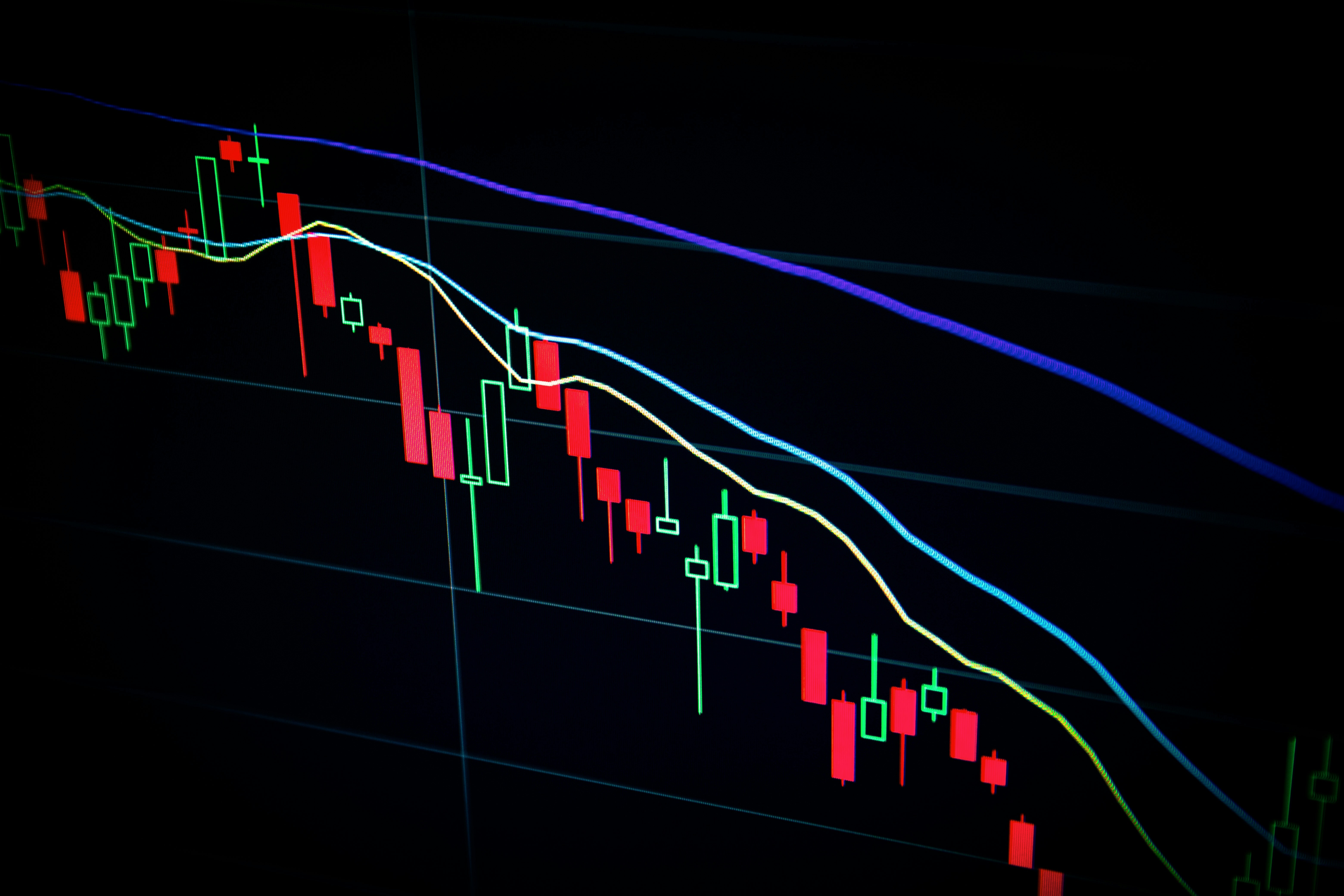
Retail investors, portfolio managers, and day traders face mounting pressures in the current 2026 investment outlook. Elevated market volatility 2026 stems from policy uncertainties and global events, amplifying concentration risks in major equity indices. Many portfolios suffer from overexposure to a handful of tech names, leading to amplified losses during corrections.
Key pain points involve identifying sustainable yields in fixed income amid rising rates and assessing forward earnings across asset classes. Day traders grapple with swift changes in credit markets and emerging tech sectors, where Sharpe ratios fluctuate rapidly. Portfolio managers encounter challenges in maintaining diversification without sacrificing returns in a pro-risk environment.
The 2026 investment outlook points to solutions through targeted asset class analysis 2026 and stock market trends 2026. Incorporating hedges such as gold and EM equities provides buffers against downturns. Systematic risk management tactics enable better handling of drawdowns, while portfolio diversification strategies spread exposure across small-cap, global ex-US equities, and alternatives.
Concrete outcomes emerge from these approaches. Optimized asset allocation reduces overall portfolio volatility and enhances resilience. Retail investors benefit from high-quality income streams that support steady growth. Day traders achieve improved risk-adjusted performance through disciplined tactics. Portfolio managers realize lower concentration risks and stronger long-term results.
Evidence from leading analyses shows that active valuation monitoring and selective positioning in equities fixed income outlook deliver superior outcomes. By focusing on resilience and selectivity, participants navigate 2026 successfully.
Analyzing Asset Classes and Stock Market Trends for 2026
The 2026 investment outlook reveals distinct opportunities across major asset classes. Equities show resilience in global ex-US and small-cap segments, where Cambridge Associates recommends overweight positions for contrarian portfolio construction. Large-cap concentration risks persist, but forward earnings data from iShares indicate potential in EM tech sectors with favorable Sharpe ratios for day traders.
Fixed income remains a cornerstone for income generation. PIMCO highlights diversification into real assets and credit to counter rising rate environments. Active valuation analysis, as noted by Goldman Sachs, helps navigate elevated bond valuations in 2026.
Alternatives and real assets gain traction in the 2026 investment outlook. Amundi supports a pro-risk stance with gold and EM equities as hedges against volatility. JPMorgan mid-year outlook stresses asset allocation across equities, fixed income, and alternatives for balanced risk tactics.
Stock market trends 2026 point to high optimism tempered by risks, per Morgan Stanley. BlackRock addresses concentration by advocating high-quality income strategies. Janus Henderson portfolio managers emphasize selectivity and resilience in equities fixed income outlook.
For day traders, asset class analysis 2026 provides timely insights into credit and EM opportunities. Portfolio diversification strategies reduce drawdowns, while risk management tactics incorporate systematic methods from Counterpoint Funds.
Overall, these trends support optimized exposure. Investors achieve better outcomes by blending asset classes based on current data. The 2026 investment outlook guides day trading risk management and long-term allocation decisions effectively.
Risk Management Tactics and Diversification Strategies
In the 2026 investment outlook, effective risk management tactics become critical amid elevated market volatility 2026. Retail investors and portfolio managers must adopt portfolio diversification strategies to counter concentration in large-cap equities. Incorporating hedges such as gold and EM equities provides essential buffers against sudden corrections.
Day traders apply day trading risk management through position sizing and systematic rules to limit losses. Asset class analysis 2026 supports rebalancing toward small-cap and global ex-US equities for better resilience. Common errors include ignoring forward earnings in credit and overexposure to tech without adjustments.
Step-by-step tactics start with exposure assessment using Sharpe ratios. Next, blend equities fixed income outlook with alternatives for income stability. Monitor stock market trends 2026 to refine allocations dynamically.
These methods reduce drawdowns and enhance long-term performance. Evidence shows active management combined with diversification delivers superior risk-adjusted results in volatile environments. Participants achieve optimized portfolios by avoiding reactive decisions and focusing on selectivity.
The 2026 investment outlook underscores that disciplined execution of risk management tactics leads to stronger outcomes across market cycles.