


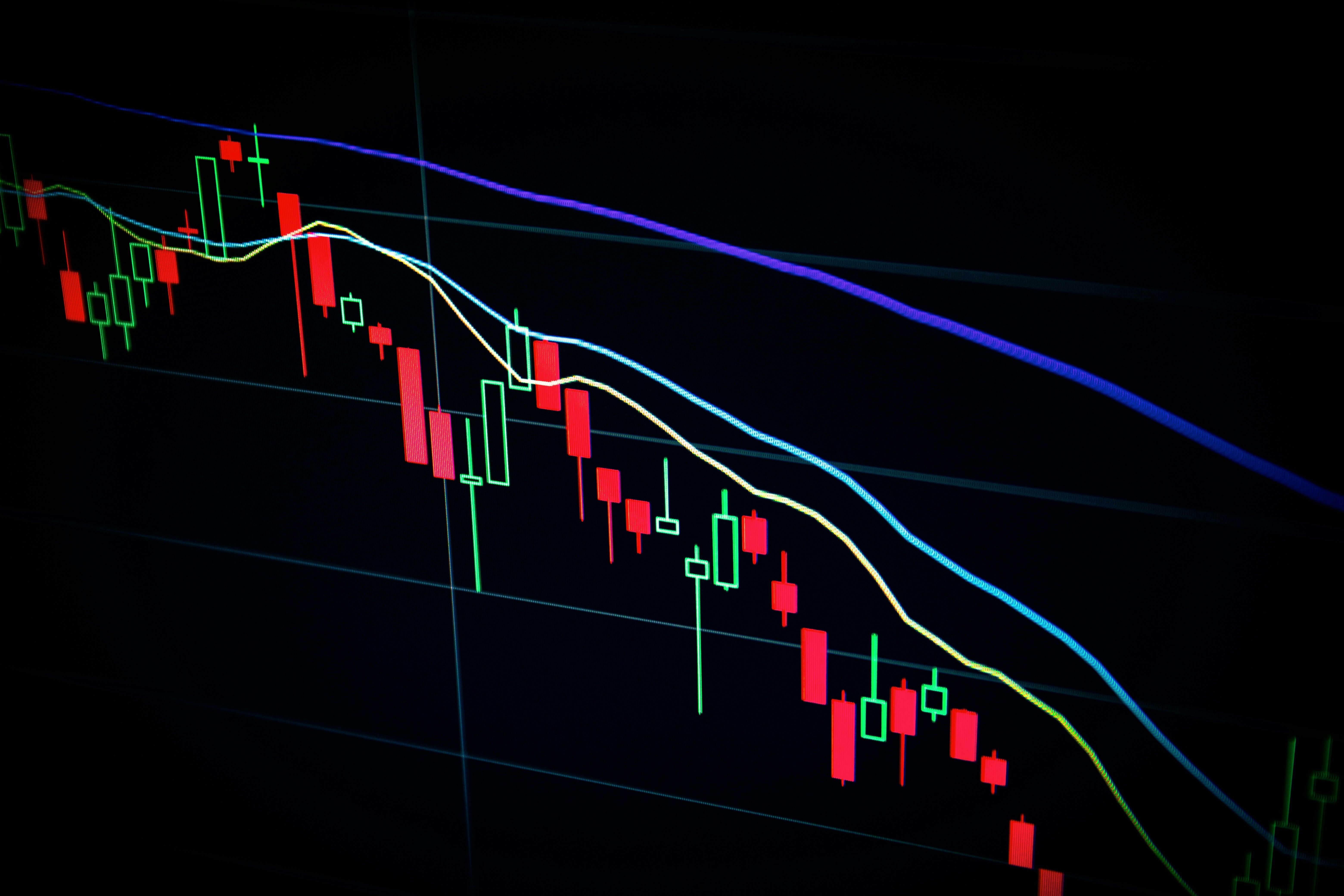
Retail investors continue to face market uncertainty as forecasts point to heightened volatility in equity markets. The 2026 investment outlook emphasizes the need for structured portfolios that balance growth with downside protection.
Recent surveys reveal retail investor sentiment 2026 remains optimistic, with many expecting positive returns despite economic headwinds. This bullish stance supports targeted exposure to growth sectors like artificial intelligence.
Diversification across international equities and bonds emerges as a core tactic within the 2026 investment outlook. Allocations that include these assets have historically reduced drawdowns during periods of turbulence.
Day traders benefit from incorporating technical analysis and strict stop-loss rules aligned with broader stock market trends 2026. Momentum strategies paired with careful position sizing help manage rapid swings.
Experts highlight that following the 2026 investment outlook enables investors to capture upside while mitigating losses through disciplined asset allocation 2026. Retail participants who adapt early position their portfolios for steadier long-term outcomes.
Portfolio managers advising clients should prioritize data from capital markets assumptions to set realistic return expectations. Morningstar forecasts provide detailed guidance on stocks and bonds.
Winning Diversification Strategies Across Asset Classes in 2026
The 2026 investment outlook shows that portfolios mixing international stocks, bonds, and AI-related holdings deliver stronger risk-adjusted results amid shifting inflation. International equities gain from diverse regional economies that move separately from U.S. markets, lowering overall volatility. Bonds deliver steady income and act as a cushion when equity prices swing sharply. AI assets add exposure to high-growth areas fueled by ongoing innovation and productivity gains.
Diversification strategies 2026 work best when investors rebalance regularly to keep target weights intact. Research shows that balanced global allocations outperformed concentrated domestic positions over recent periods. Asset allocation 2026 incorporates return forecasts for stocks and bonds to guide precise positioning.
Retail investors apply these ideas by using broad ETFs for global coverage without needing advanced tools. Day trading strategies incorporate similar principles by spreading short-term positions across several instruments to control exposure. Risk management tactics such as defined loss limits and systematic rebalancing protect capital while pursuing growth.
Portfolio managers advising clients favor these methods because they align with updated capital market assumptions and reduce the impact of single-asset failures. The framework supports consistent progress even when some markets lag. Retail investor sentiment 2026 has shifted toward these balanced approaches as awareness of volatility increases.
Morningstar diversification analysis iShares investment outlook BlackRock 2026 investing guide
Smart Risk Management Tactics and Common Mistakes to Avoid
The 2026 investment outlook requires strong risk management tactics to navigate volatility. Day traders should set strict stop-loss orders and limit position sizes to no more than two percent of capital per trade. These steps protect against rapid market swings highlighted in current stock market trends 2026.
Portfolio managers benefit from systematic downside protection strategies such as options overlays and dynamic hedging. Following the 2026 investment outlook means integrating these methods into asset allocation 2026 to preserve gains during corrections.
Common mistakes include holding oversized positions and failing to diversify across asset classes. Traders who ignore retail investor sentiment 2026 data often chase momentum without exit plans, leading to large drawdowns. Another error is skipping regular reviews of risk parameters as market conditions shift.
Applying proven day trading strategies with defined loss limits and consistent rebalancing helps avoid these pitfalls. Investors who combine diversification strategies 2026 with disciplined risk controls achieve more stable results aligned with the broader 2026 investment outlook.
Portfolio managers can reference updated models for specific volatility thresholds. Day trading strategies emphasize pre-trade risk calculations and post-trade reviews to refine execution. Using systematic approaches from specialized providers offers additional layers of defense suitable for both professional and retail audiences. These practices create resilient portfolios ready for 2026 conditions. Consistent application maximizes effectiveness of these tactics.