


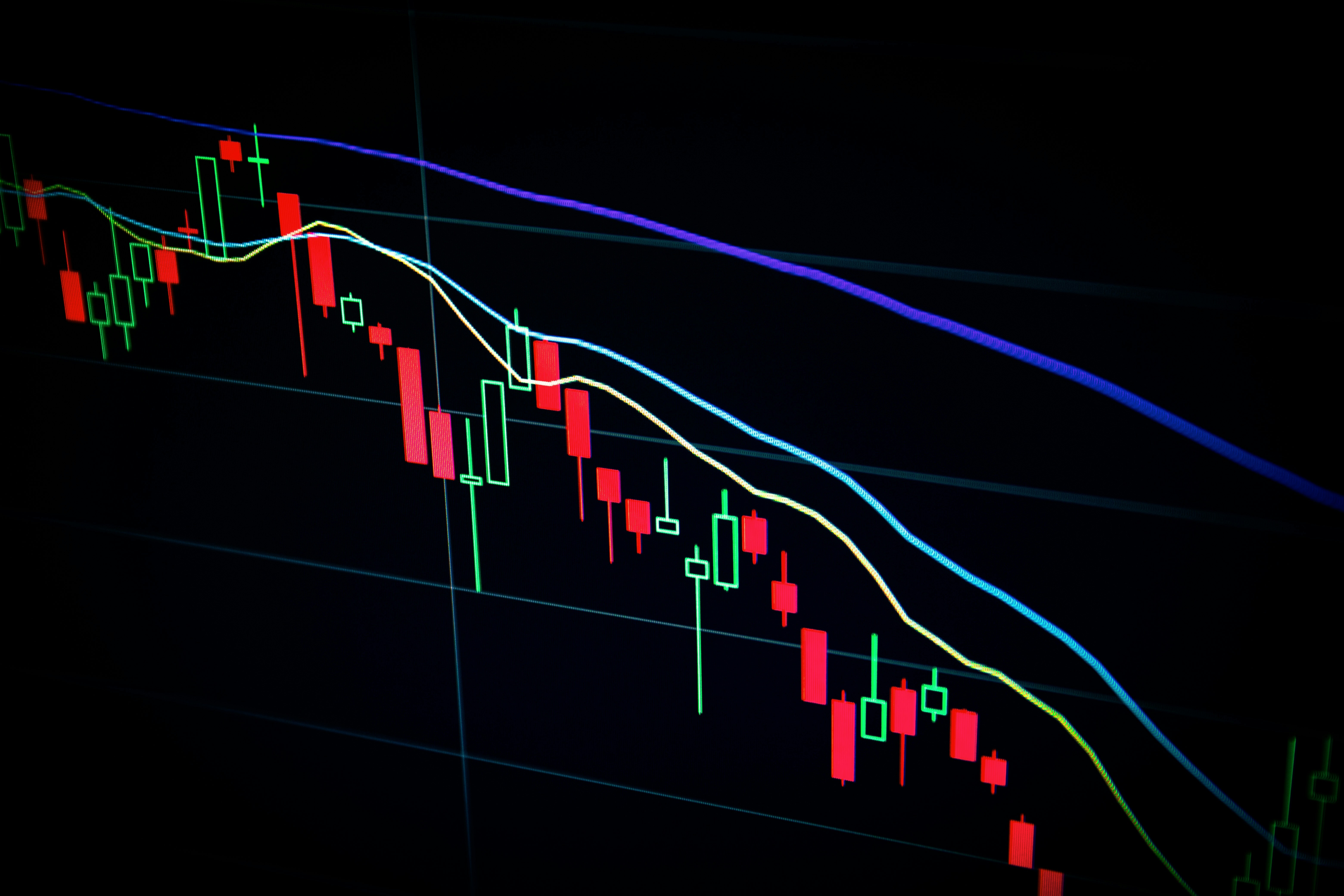
Retail investors, portfolio managers, and day traders face mounting pressure from elevated equity market volatility in the 2026 stock market outlook. Narrow leadership concentrated in AI stocks leaves most market participants vulnerable to sharp reversals when momentum fades. Earnings estimates have surged but remain disproportionately driven by a handful of hyperscalers, creating fragile foundations for broad-based gains.
Consumer finances show clear stress. Negative real wage growth, depleted savings, and higher energy costs curb spending power while inflation lingers above target in core services. Household equity allocations now exceed 47 percent of financial assets, meaning any meaningful correction transmits quickly into reduced consumption and further market pressure.
Day traders encounter amplified intraday swings that punish oversized positions. Portfolio managers must contend with thin equity risk premiums and rising yields that compete directly with stocks for capital. The 2026 stock market outlook reveals how AI investment trends 2026 generate self-reinforcing capex cycles that mask underlying breadth weaknesses.
These conditions demand rigorous investment risk management. Asset allocation strategies that combine international equities, bonds, and measured AI exposure have historically lowered drawdowns. Day trading risk rules such as the 1 percent risk limit per trade, strict daily loss caps, and portfolio heat controls protect capital during turbulent periods. Position sizing techniques based on stop distance rather than conviction keep exposure aligned with account size.
Disciplined application of portfolio diversification tactics enables steadier growth despite persistent volatility. Investors who integrate these methods early reduce the impact of concentrated leadership and position portfolios for more resilient outcomes through 2026 and beyond.
2026 Stock Market Trends and AI Concentration Insights
The 2026 stock market outlook highlights a bull market propelled by robust earnings growth now projected at 25 percent for the full calendar year. Leadership stays narrowly concentrated in artificial intelligence and energy sectors, with only 17 percent of S&P 500 members outperforming the index over recent months. Hyperscalers have pushed aggregate capex higher, yet their share of net income has not kept pace, raising sustainability questions.
Economic resilience appears in rebounding real GDP growth tracking near 3 percent annualized. Labor markets show stability through low layoff activity even as hiring remains subdued. Inflation stays sticky, driven partly by AI-related capital expenditures adding pressure to core services prices.
These dynamics create clear implications for different audiences. Portfolio managers see opportunities in sectors tied to the ongoing AI buildout but must weigh thin equity risk premiums against rising bond yields. Day traders face amplified volatility from concentrated moves and must apply position sizing techniques to avoid oversized exposure during rapid swings.
Fixed income outlook data suggest bonds can serve as ballast when equity participation narrows further. Asset allocation strategies that tilt toward international equities and measured alternatives help offset domestic concentration risk. The 2026 stock market outlook therefore rewards investors who combine earnings strength signals with disciplined diversification to navigate the second half of the year.
Retail participants benefit from monitoring median earnings estimates, which remain in a historically supportive zone near 13 percent. This combination of concentrated upside and underlying breadth weakness defines the current environment and sets expectations for continued volatility ahead.
Quick-Win Diversification Strategies Across Asset Classes
Retail investors, portfolio managers, and day traders reduce drawdowns when they apply targeted portfolio diversification tactics within the 2026 stock market outlook. Concentrated AI leadership has created fragile breadth, making broad asset class spreads essential for protecting capital. International equities provide exposure to regional economies that move independently from U.S. markets. A 20 to 30 percent allocation captures growth while lowering overall volatility. Broad ETFs deliver this coverage without complex tools or high fees. Bonds serve as ballast. The fixed income outlook favors allocations of 25 to 40 percent for steady income and price stability during equity corrections. Yield strategies also benefit from M&A activity signals that support credit selection across investment-grade segments. Measured AI exposure limits risk. Investors cap this sleeve at 10 to 15 percent through diversified ETFs rather than individual hyperscalers. This approach retains upside from AI investment trends 2026 without excessive concentration that amplifies equity market volatility. Day traders incorporate similar principles through asset allocation strategies across instruments. They apply day trading risk rules such as the 1 percent risk limit and portfolio heat caps to keep combined exposure controlled. Position sizing techniques based on stop distance prevent oversized bets during fast moves and news events. Portfolio managers rebalance quarterly to maintain targets. This discipline prevents drift into over-weighted domestic equities. Investment risk management improves when diversification pairs with strict loss limits and systematic reviews of allocation weights. These steps deliver lower volatility and more resilient returns. Retail participants who adopt them early navigate equity market volatility more effectively while still participating in growth opportunities. Early 2026 asset class performance data confirm that balanced global allocations outperformed concentrated domestic positions. Investors who combine these diversification steps with ongoing monitoring of the 2026 stock market outlook achieve more consistent results across market cycles. Regular application of these tactics supports both short-term trading discipline and long-term portfolio stability.