


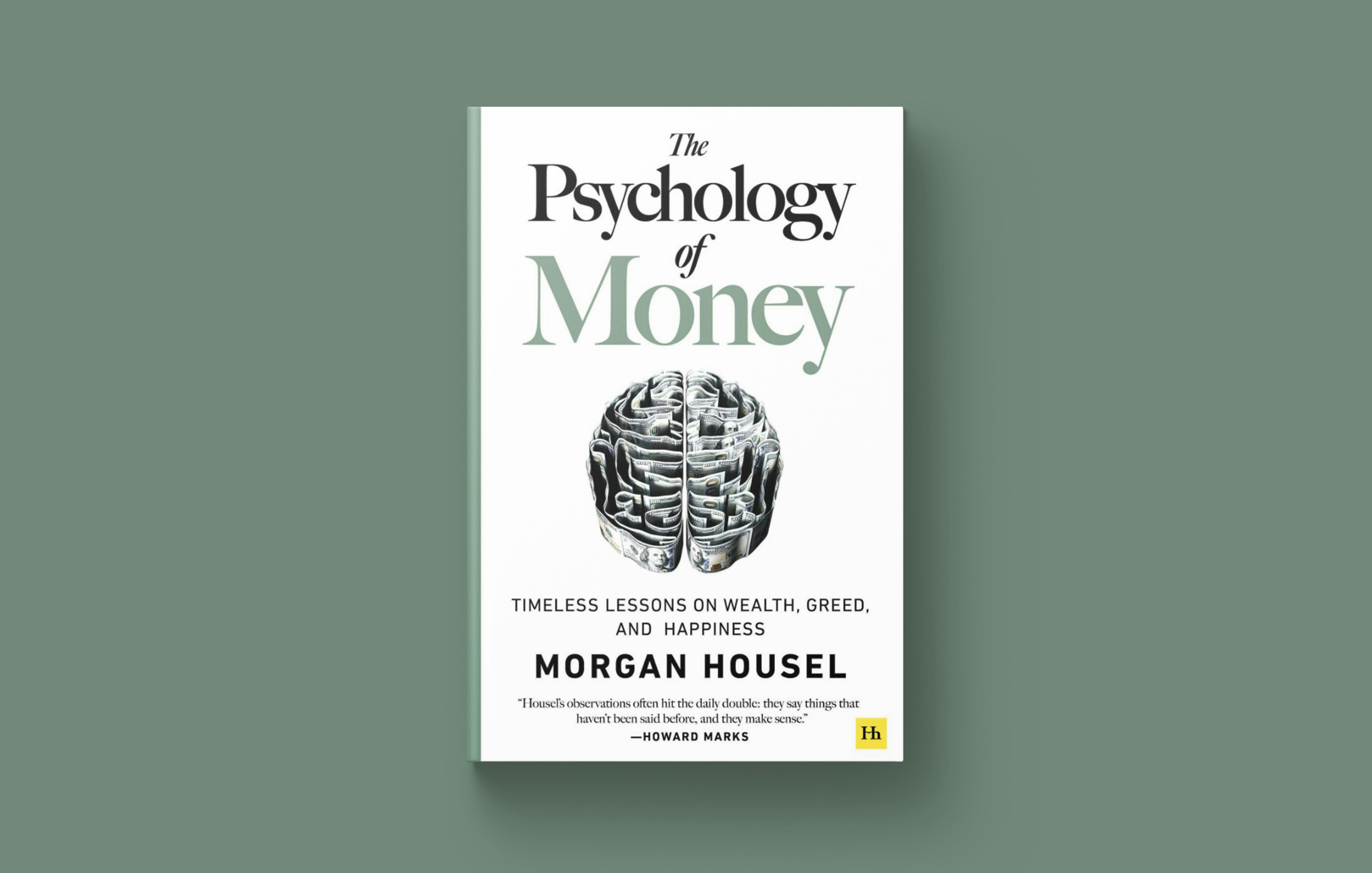
High achievers often operate under a scarcity money mindset that creates persistent anxiety despite substantial success. This mindset manifests as hoarding resources, avoiding calculated risks, and tying self-worth directly to financial security, which limits growth opportunities even when assets are plentiful.
Executives frequently report second-guessing major decisions like investments or lifestyle upgrades because of an underlying fear of lack. Such patterns stem from early experiences and unconscious beliefs that shape daily financial behavior.
Shifting to an abundance mindset changes these outcomes. Professionals who reframe their money mindset report greater confidence in wealth-building choices and improved long-term fulfillment. They focus on opportunities rather than protection, leading to smarter allocations and reduced stress.
The concrete result is clearer decision-making that aligns spending, saving, and investing with personal values instead of fear. This transition unlocks both professional performance and personal satisfaction by replacing limitation with possibility.
Common signs include reluctance to delegate financial tasks or celebrate achievements. Addressing these through awareness exercises helps break the cycle and supports sustained progress.
How to Identify and Release Limiting Beliefs About Money
High achievers face common limiting beliefs about money such as “money is scarce even when numbers show otherwise” or “my self-worth depends on constant accumulation.” These ideas often arise from childhood or cultural influences and directly impact the money mindset by triggering avoidance or overcontrol.
Begin identification with a simple tracking exercise. For one week, record every money-related thought that carries anxiety or restriction. Review the list to spot themes like fear of loss or unworthiness. Cross-reference these with actual financial data to reveal distortions created by early programming.
Another quick win involves listing every financial success from the past five years, including small wins like negotiating a raise or sticking to a budget. This practice counters scarcity mindset by providing concrete proof of capability and abundance already present in professional life.
Once identified, challenge each belief by asking for evidence that supports or refutes it. Replace “I am not good with money” with a balanced view based on past results and skills. Incorporate gratitude journaling focused on existing resources to nurture an abundance mindset gradually without forcing sudden change.
Executives benefit from discussing these patterns with trusted advisors who specialize in the psychology of money. Such conversations accelerate release and prevent regression into old patterns during market volatility. Regular review of progress ensures the new money mindset supports both career advancement and personal satisfaction over time.
Practical Steps to Cultivate an Abundance Money Mindset
High achievers cultivate an abundance money mindset by first reframing scarcity thoughts into opportunity-focused statements. When a limiting idea arises, such as fear of insufficient resources, replace it with evidence of past growth and available options drawn from current financial statements.
Daily gratitude practice strengthens this shift. List three financial resources or achievements each morning to redirect focus from lack to sufficiency. This simple habit reduces anxiety and supports clearer decisions around spending and investing.
Financial education forms the next layer. Study budgeting, compounding effects, and market mechanics through reliable resources to build confidence that counters scarcity mindset patterns. Knowledge empowers calculated risks that drive wealth creation over time.
Set specific, value-aligned goals such as funding a legacy project or achieving work-life balance. Break them into measurable steps and track progress to reinforce the belief that resources expand with intention.
Avoid common pitfalls like rushing the transition or ignoring emotional triggers during market dips. Executives often revert to old habits under stress, so schedule regular reviews with a fiduciary advisor specializing in the psychology of money. These professionals help maintain alignment and prevent regression.
Consistent application of these techniques transforms the money mindset from restriction to expansion. The outcome includes improved fulfillment alongside stronger financial outcomes as decisions reflect abundance rather than fear.