


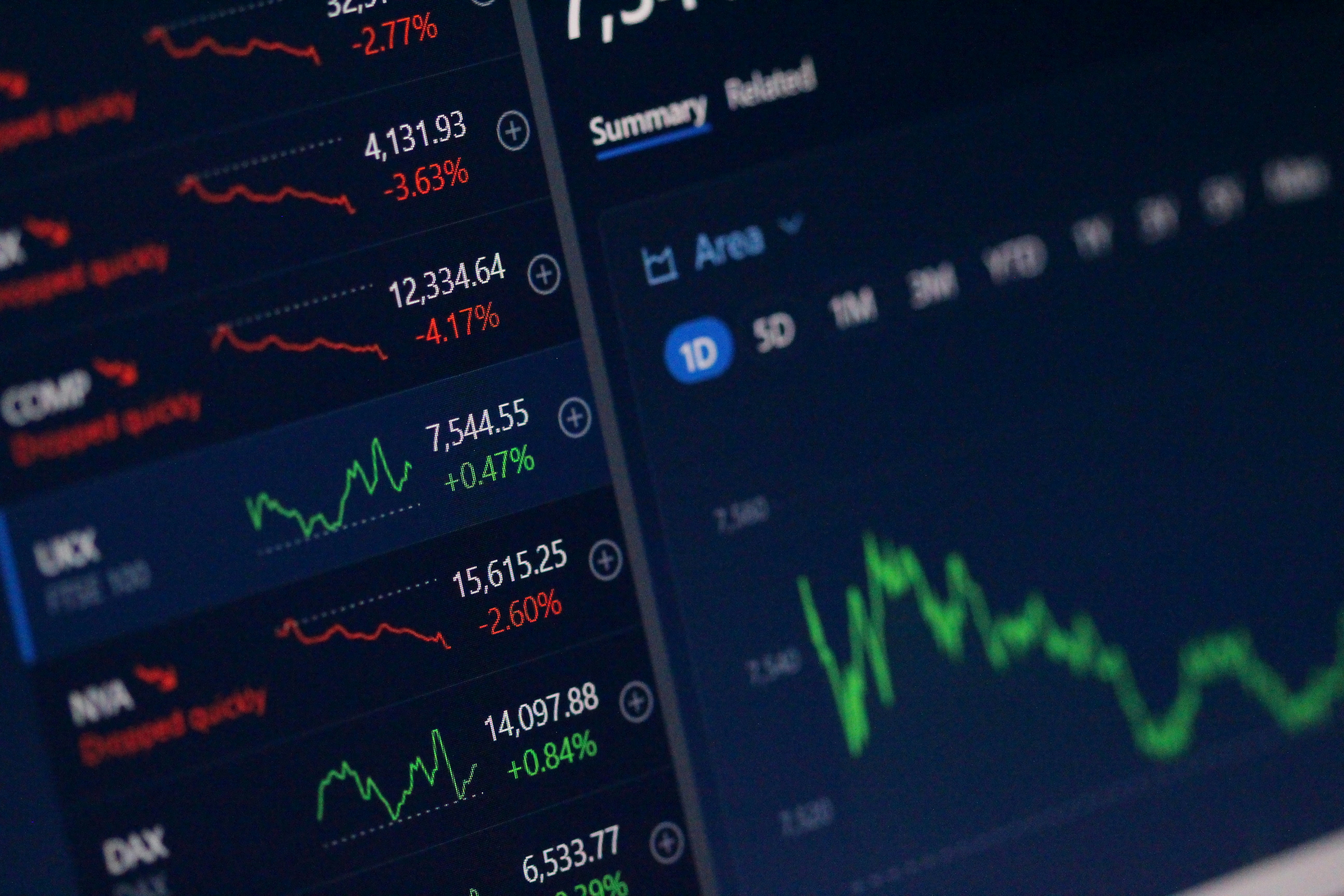
Retail investors, portfolio managers, and day traders face concentrated markets and geopolitical volatility throughout 2026. Equity concentration in select large-cap names creates sudden downside risk. Geopolitical developments introduce uncertainty across asset prices and classes.
ETF flows 2026 show rotation into defensive and diversified holdings according to recent analysis. Early 2026 asset class performance reveals important diversification lessons for portfolio managers. These observations guide improved asset allocation 2026 choices amid ongoing shifts.
Warning signs including elevated valuations and sector imbalances point toward defensive positioning. Retail investors gain from tracking these indicators to limit potential drawdowns. Portfolio managers exercise parallel caution when rebalancing equities and credit exposures.
Day traders apply disciplined risk management strategies 2026 through position sizing and daily loss limits. The established 1% rule serves as core protection during volatile trading periods. Stop strategies combined with max-risk frameworks support consistent discipline.
Active investment strategies 2026 spanning equities, credit, and munis deliver stronger risk-adjusted returns. Private markets alongside digital platforms represent emerging trends shaping retail and institutional flows.
These investment insights 2026 provide clearer asset allocation and risk tactics. investment insights 2026 highlight the value of adapting quickly to market changes for continued performance.
ETF Flows, Concentration Risk, and AI Trends in H1 2026
H1 2026 ETF flows reveal significant shifts toward diversified and defensive assets as volatility persists. Data from major providers indicate inflows into broad market ETFs while sector-specific vehicles experience outflows. This movement reflects investor caution amid concentrated equity positions.
Concentration risk remains elevated with the Magnificent 7 stocks dominating market capitalization. Portfolio managers monitor this imbalance closely because sudden reversals could impact returns. investment insights 2026 emphasize reducing exposure to these names through targeted rebalancing.
AI trends continue driving growth in technology and related sectors. Momentum in artificial intelligence applications attracts capital but also heightens valuation concerns. Defensive positioning involves pairing AI holdings with bonds and alternative assets to manage downside.
Risk management strategies 2026 incorporate scenario analysis for concentration events. Portfolio diversification tactics include spreading allocations across international equities and fixed income. Asset allocation 2026 adjustments help mitigate the effects of AI-driven volatility.
Stock market trends 2026 point to potential rotation out of mega-cap tech. Active investment strategies 2026 focus on identifying undervalued opportunities outside concentrated areas. Day trading risk rules become relevant for short-term participants navigating these swings.
These developments underscore the need for ongoing monitoring. Retail investors benefit from reviewing ETF holdings regularly. Portfolio managers apply quantitative tools to assess concentration levels. Day traders use strict loss limits to protect capital during turbulent periods driven by AI news. Further resources detail how to implement these changes effectively.