


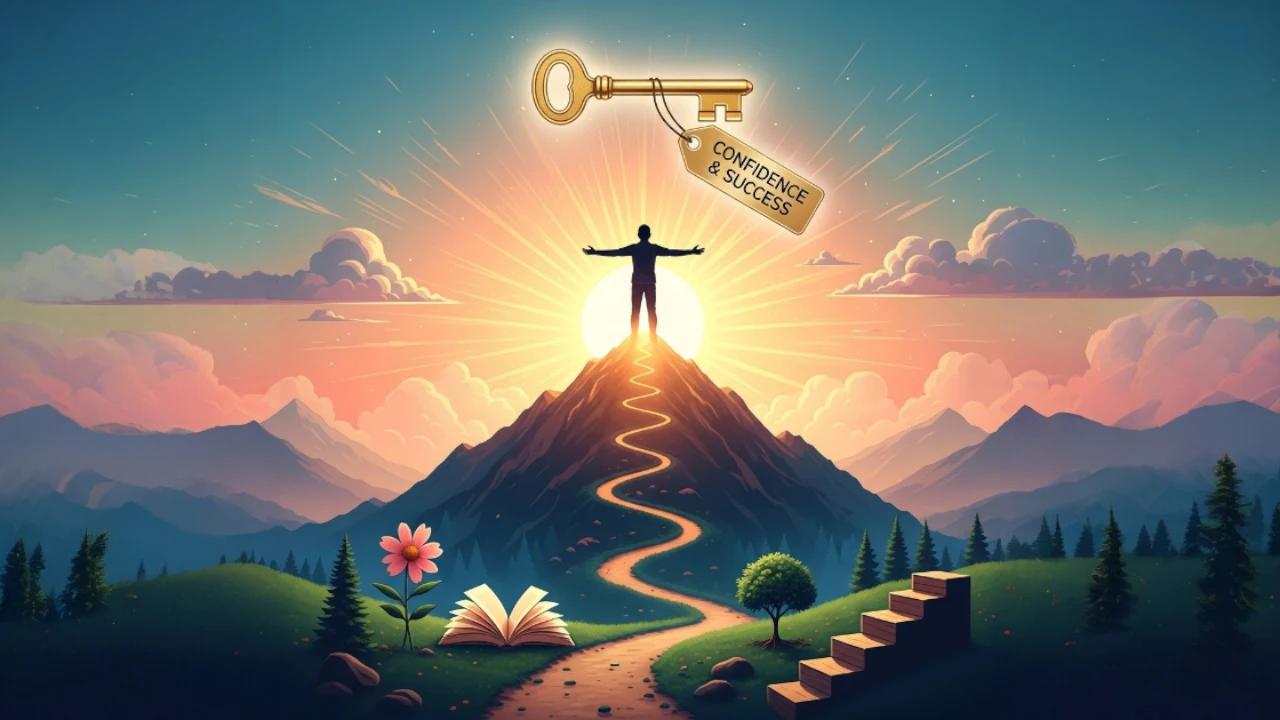

Success isn’t just about talent, luck, or opportunity—it’s deeply rooted in personal growth and self-improvement. Individuals who embrace personal development strategies cultivate confidence, resilience, and a mindset that propels them toward achievement.
Personal development is more than reading books or attending seminars—it’s a lifelong commitment to learning, self-reflection, and growth. It touches every aspect of life: professional, personal, emotional, and social.
In this article, we explore why personal development is the ultimate key to unlocking confidence and success, and provide actionable strategies to transform your life starting today.
Understanding Personal Development
Personal development is the process of enhancing your skills, mindset, and abilities to reach your fullest potential. It encompasses:
- Self-awareness: Understanding your strengths, weaknesses, and values.
- Skill-building: Learning new skills and refining existing ones.
- Mindset mastery: Cultivating a growth-oriented perspective.
- Emotional intelligence: Improving communication, empathy, and relationships.
- Goal-setting: Creating actionable plans to achieve personal and professional objectives.
By investing in yourself, you become more adaptable, confident, and prepared to seize opportunities.
Why Personal Development Boosts Confidence
Confidence isn’t an inherent trait—it’s cultivated through growth:
- Competence breeds confidence: Mastering new skills or knowledge increases self-assurance.
- Self-awareness enhances authenticity: Knowing your values allows you to act decisively and confidently.
- Resilience fosters courage: Overcoming challenges through personal development strengthens your ability to face uncertainty.
Impact: Confidence gained through personal development enables you to speak up, take risks, and pursue ambitious goals without hesitation.
The Connection Between Personal Development and Success
Personal development fuels success by:
- Improving decision-making: Self-aware individuals make better choices aligned with long-term goals.
- Enhancing productivity: Time management, focus, and prioritization improve efficiency.
- Building leadership skills: Effective leaders invest in their personal growth to inspire and guide others.
- Expanding opportunities: Networking, learning, and adaptability open doors professionally and personally.
Success is not just about outcomes—it’s about creating the mindset, skills, and habits that lead to sustainable achievement.
Key Personal Development Strategies
1. Goal-Setting and Action Planning
- Define SMART goals: Specific, Measurable, Achievable, Relevant, Time-bound.
- Break goals into smaller, actionable steps.
- Track progress regularly and adjust strategies as needed.
Impact: Clear goals provide direction and measurable progress, boosting motivation and confidence.
2. Lifelong Learning
- Read books, take courses, or attend seminars in areas of interest and skill gaps.
- Explore cross-disciplinary knowledge to expand creativity and problem-solving.
- Stay updated on industry trends to remain competitive professionally.
Impact: Continuous learning enhances competence, credibility, and personal growth.
3. Mindset Mastery
- Cultivate a growth mindset: Embrace challenges as opportunities to learn.
- Replace self-limiting beliefs with empowering thoughts.
- Practice visualization and positive affirmations to reinforce confidence.
Impact: A growth mindset transforms obstacles into opportunities and builds self-belief.
4. Emotional Intelligence Development
- Improve self-awareness, empathy, and social skills.
- Learn conflict resolution and effective communication techniques.
- Practice mindfulness and self-regulation to manage stress and emotions.
Impact: Strong emotional intelligence enhances relationships, teamwork, and leadership capabilities.
5. Health and Wellness Integration
- Prioritize physical activity, nutrition, and sleep.
- Incorporate stress-management techniques like meditation or journaling.
- Maintain work-life balance to sustain energy and focus.
Impact: A healthy mind and body amplify productivity, focus, and emotional resilience.
6. Networking and Mentorship
- Surround yourself with positive, growth-oriented individuals.
- Seek mentors to provide guidance, feedback, and accountability.
- Engage in communities that inspire learning and challenge your perspectives.
Impact: Mentorship and networking expand opportunities, foster learning, and accelerate personal growth.
7. Reflective Practices
- Practice daily journaling to evaluate progress and identify areas for improvement.
- Conduct regular self-assessments and solicit feedback from peers or mentors.
- Celebrate successes and learn from setbacks.
Impact: Reflection ensures continuous growth, clarity, and alignment with your goals.
How Personal Development Shapes Professional Success
Professionals who invest in personal development often experience:
- Enhanced leadership: Confident, self-aware leaders inspire teams and drive results.
- Career advancement: Skill-building and adaptability open doors to promotions and new opportunities.
- Innovation and problem-solving: Continuous learning fuels creative solutions.
- Better relationships: Emotional intelligence strengthens professional and personal connections.
Personal development is the engine behind sustainable professional achievement.
Overcoming Common Personal Development Barriers
Challenges often hinder growth, but awareness enables action:
- Lack of time: Schedule dedicated personal development blocks daily or weekly.
- Fear of failure: Reframe failure as a learning opportunity.
- Inconsistent effort: Establish routines and accountability partners.
- Overwhelm: Focus on one skill or habit at a time for measurable progress.
By addressing these barriers, growth becomes manageable, consistent, and rewarding.
The Ripple Effect of Personal Growth
Personal development doesn’t just impact you—it transforms every area of life:
- Confidence in public speaking and social interactions
- Better decision-making in personal finances
- Improved relationships and communication with family and peers
- Greater resilience in times of stress or uncertainty
- Increased motivation and energy to pursue dreams
Investing in yourself creates a multiplier effect, influencing career, relationships, and overall well-being.
Conclusion: Make Personal Development Your Non-Negotiable Priority
Confidence and success are not accidental—they are cultivated. Personal development is the ultimate key to unlocking your potential, enhancing skills, and achieving ambitious goals.
By embracing growth, developing self-awareness, mastering your mindset, and committing to lifelong learning, you position yourself for sustainable success and fulfillment.
Start today: Set clear goals, invest in your learning, nurture relationships, and reflect regularly. The journey of personal development is ongoing—but the rewards in confidence, capability, and achievement are limitless.
FAQs
Q1. Can personal development truly increase confidence?
Yes. By acquiring new skills, improving self-awareness, and practicing mindset mastery, confidence naturally grows.
Q2. How often should I focus on personal development?
Daily or weekly practices, even in small increments, are most effective for consistent growth.
Q3. What is the fastest way to see results from personal development?
Set clear goals, take actionable steps, and measure progress. Consistency is key.
Q4. Does personal development help professionally as well as personally?
Absolutely. Skills like leadership, emotional intelligence, and adaptability boost career growth and workplace effectiveness.
Q5. What is the role of mentorship in personal development?
Mentors provide guidance, accountability, and perspective, accelerating growth and avoiding common pitfalls.
Internal Link Suggestion:
➡️ Next Read: [How to Master the Growth Mindset and Achieve Success Beyond Your Wildest Dreams]
External Authority Link Suggestion:
🔗 Psychology Today – The Power of Personal Development: https://www.psychologytoday.com/us/basics/personal-growth