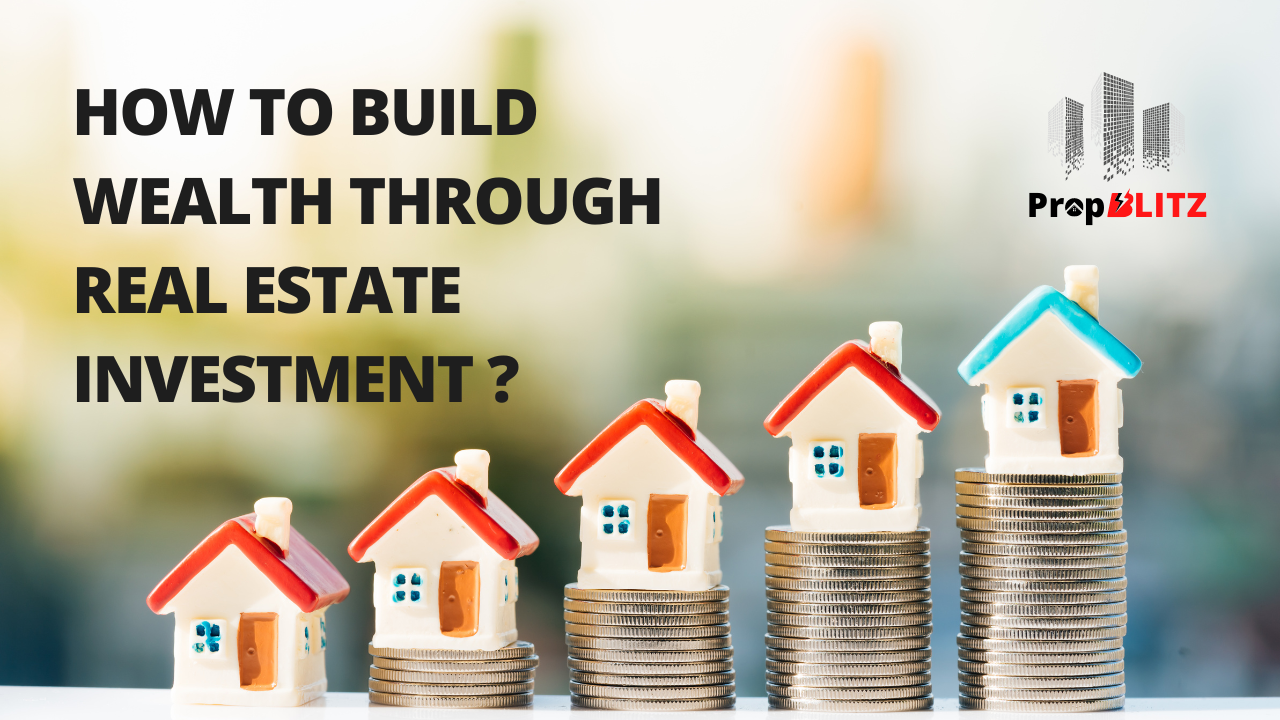




Real estate has created more millionaires than any other investment in history. It’s not just about owning property — it’s about creating lasting wealth through appreciation, passive income, and smart leverage. Here’s why real estate is the ultimate wealth-building tool and how you can start today.
The Real Reason the Rich Love Real Estate
Have you ever wondered why the world’s wealthiest people — from Warren Buffett to everyday investors — have real estate in their portfolios?
It’s simple: real estate builds long-term, stable wealth.
Unlike stocks or crypto, property provides tangible value, steady cash flow, and the ability to leverage borrowed money for bigger gains.
💡 In fact, over 90% of millionaires attribute a significant portion of their wealth to real estate investments.
Let’s explore why real estate stands above every other asset when it comes to building financial freedom — and how you can join them.
Real Estate Creates Wealth in Multiple Ways
What makes real estate unique is that it doesn’t just generate wealth one way — it multiplies it through four powerful income streams:
1. Appreciation (Your Property’s Value Increases Over Time)
Every year, your property naturally increases in value due to market demand and inflation.
For example:
A $200,000 home appreciating by just 5% yearly becomes $255,000 in five years — without lifting a finger.
That’s $55,000 in equity growth, purely from time and smart ownership.
2. Cash Flow (Monthly Income from Rent)
When you rent out your property, the rent payments cover your mortgage, taxes, and expenses — leaving you with positive cash flow each month.
That’s money you earn without active work — often called passive income.
Over time, this cash flow can replace your job income entirely.
3. Loan Paydown (Your Tenants Pay Your Mortgage)
Here’s the magic of leverage:
When you buy property with a mortgage, your tenants essentially pay off the loan for you through rent.
Each payment builds your equity — turning debt into wealth.
It’s like having someone else buy an appreciating asset for you.
4. Tax Advantages (Keep More of What You Earn)
Real estate investors enjoy numerous tax benefits that most people don’t:
Depreciation deductions lower your taxable income.
1031 exchanges let you sell and reinvest without paying capital gains immediately.
Mortgage interest deductions further reduce your tax bill.
🧾 Translation: You build wealth faster because you get to keep more of your money.
Real Estate Is a Hedge Against Inflation
When prices of goods rise, the value of real estate and rent usually rises, too.
So while inflation erodes savings and fixed-income investments, property protects your purchasing power.
🏠 Example:
In 2000, average rent in the U.S. was around $600.
Today, it’s over $1,900 — and property values have tripled.
That’s why real estate is considered one of the best inflation-proof assets in existence.
It’s Easier to Build Leverage in Real Estate Than Any Other Investment
In the stock market, you must pay 100% upfront to buy shares.
In real estate, you can control a $300,000 property with just a $30,000 down payment — thanks to leverage.
If the property appreciates by 10%, your return isn’t 10% — it’s over 100% on your initial investment.
📈 Leverage allows you to use other people’s money (the bank’s) to build wealth — something unique to real estate.
The Power of Passive Income and Financial Freedom
Imagine waking up and knowing your properties are generating income while you sleep.
That’s not a dream — it’s the reality of many real estate investors.
Passive income gives you:
✅ Financial freedom from your 9–5 job
✅ More time for family, travel, and passion projects
✅ Long-term stability during economic ups and downs
💬 “Don’t wait to buy real estate. Buy real estate and wait.” — Will Rogers
Different Ways to Invest in Real Estate
Not everyone wants to be a landlord — and that’s okay.
There are multiple ways to build wealth through real estate, depending on your budget, time, and comfort level.
1. Rental Properties (Long-Term or Short-Term)
Buy a house or apartment, rent it out, and collect monthly rent.
You can go traditional with long-term tenants, or use Airbnb/short-term rentals for higher returns.
2. Real Estate Investment Trusts (REITs)
Don’t want to manage property yourself?
You can invest in REITs — companies that own or finance income-generating properties.
They’re like stocks for real estate and pay consistent dividends.
3. House Flipping
Buy undervalued homes, renovate them, and sell for profit.
It’s more active but can yield large short-term returns if done strategically.
4. Real Estate Crowdfunding
Invest with others through online platforms with as little as $500.
You get fractional ownership in properties and earn a share of profits — perfect for beginners.
5. Commercial Real Estate
Offices, warehouses, and retail spaces often yield higher returns — but require more capital and research.
For advanced investors, this sector offers serious long-term potential.
How to Get Started with Real Estate Investing
Starting in real estate may sound intimidating, but it’s simpler than you think. Follow these 6 beginner-friendly steps:
Step 1: Define Your Goal
Ask yourself:
Do I want passive income or quick profits?
Do I want to invest locally or out of state?
Your goal shapes your strategy.
Step 2: Assess Your Finances
Check your credit score, savings, and debt.
💡 Tip: Lenders typically require 15–25% down for investment properties.
Start small — even one rental unit can set your foundation.
Step 3: Research the Market
Location is everything.
Look for:
Job growth
Population increase
Low vacancy rates
Affordable property taxes
🗺️ Use tools like Zillow, Redfin, and Realtor.com to analyze local trends.
Step 4: Build Your Team
You’ll need:
A real estate agent
A mortgage broker
A property manager
A contractor/inspector
Building a strong team reduces mistakes and stress.
Step 5: Run the Numbers
Before buying, calculate:
Mortgage + taxes + insurance + maintenance = total cost
Rent – total cost = your cash flow
If it’s positive, you’ve got a winner. 💰
Step 6: Start Small and Scale Up
Don’t wait for the “perfect time.” Start with one property, learn, and expand gradually.
Experience compounds — just like your returns.
Common Mistakes to Avoid
Even the best investors stumble when they overlook the basics. Avoid these traps:
❌ Overpaying for properties without due diligence
❌ Ignoring maintenance and tenant screening
❌ Poor financing choices with high-interest loans
❌ Letting emotions drive decisions instead of numbers
Remember: Real estate rewards patience, not panic.
Real-Life Example: The Power of Patience
Meet Sarah, a 30-year-old teacher.
In 2015, she bought a small rental property for $180,000 with a $20,000 down payment.
10 years later:
Her property is worth $300,000
Her tenants paid off most of the mortgage
She earns $900/month in passive income
Now she owns three properties, earning more from rent than her full-time job.
That’s the quiet power of real estate — steady, compounding growth.
External Sources for Credibility
Internal Link Suggestions (if posted on a finance website)
“Building Generational Wealth: How to Secure Financial Stability for Future Generations”
“Smart Investment Strategies for Beginners”
“Financial Planning: Understanding Assets and Long-Term Growth”
Frequently Asked Questions (FAQs)
1. Do I need a lot of money to start investing in real estate?
Not necessarily. You can start with as little as a 10–20% down payment or use crowdfunding and REITs to get started with smaller amounts.
2. Is real estate better than stocks?
Real estate offers tangible assets, passive income, and tax benefits — while stocks offer liquidity. A mix of both is ideal for diversification.
3. What’s the biggest risk in real estate?
Market downturns and poor property management. Research and location analysis minimize these risks.
4. Can I invest in real estate with bad credit?
It’s possible through partnerships, private lending, or improving credit before applying for traditional financing.
5. How long before I see profit?
Cash flow starts immediately if rented right. Appreciation and full returns typically compound over 5–10 years.
Conclusion: Build Wealth You Can Touch
Real estate isn’t just an investment — it’s a lifestyle of freedom, stability, and growth.
It’s one of the few assets that can generate income today and security for generations tomorrow.
You don’t have to be rich to start — but you do have to start to get rich.
So, take that first step. Study, plan, and act — your journey toward financial independence begins with one property.